

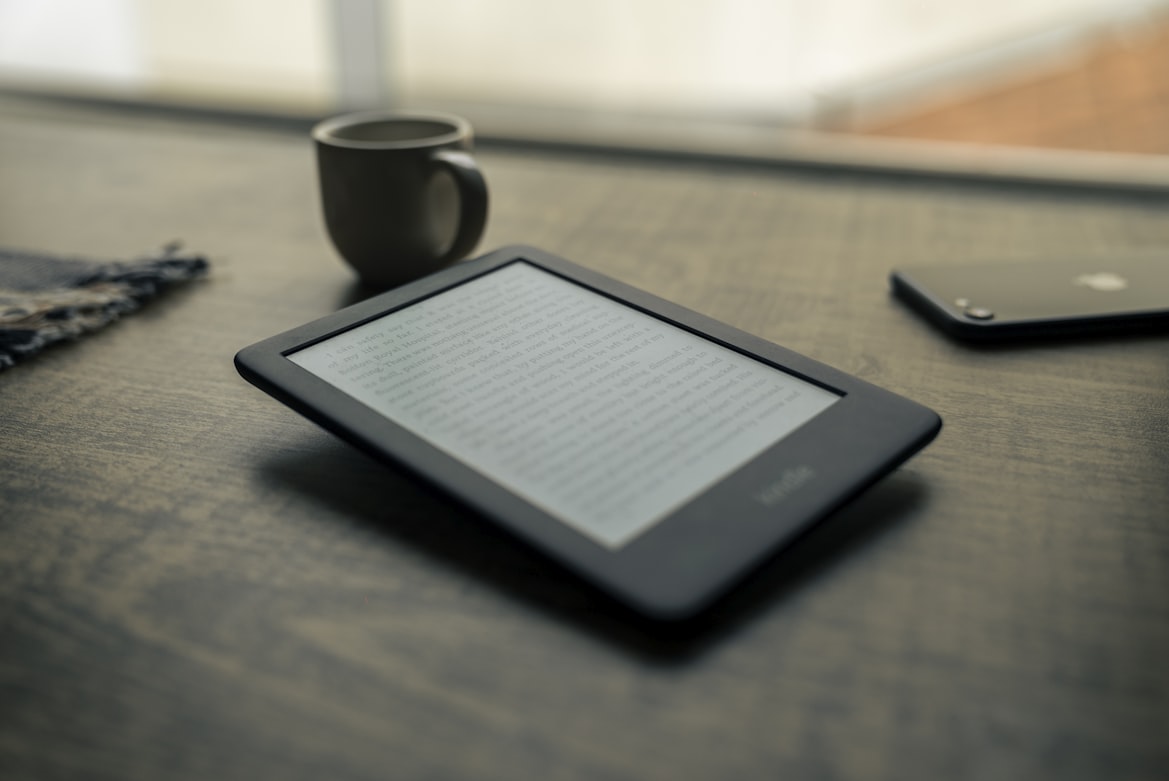
Amazon plans to discontinue support for Kindle devices released before 2012, effective May 20, 2026. Customers received emails confirming that these devices will lose access to the Kindle Store.
This decision means users will be unable to purchase, borrow, or download new books directly on the affected models. After the cutoff date, they will only be able to read content previously downloaded. If users deregister or reset their older devices, they cannot re-register them post-deadline.
The affected devices include the first and second-generation Kindles, Kindle DX, Kindle Keyboard, Kindle 4 and 5, Kindle Touch, and the first-generation Kindle Paperwhite. Jesse Carr, an Amazon spokesperson, explained that these models have been supported for 14 to 18 years but will no longer be viable due to advancements in technology.
Stay Ahead of the Curve!
Don’t miss out on the latest insights, trends, and analysis in the world of data, technology, and startups. Subscribe to our newsletter and get exclusive content delivered straight to your inbox.
Subscribe Now
Amazon is providing promotions to assist users in transitioning to newer devices. Customers can still access their libraries through newer hardware, the Kindle mobile app, or Kindle for Web.
Many longtime users expressed discontent over the discontinuation of support for these functional devices. On social media, some users argued that they see no need to replace devices that are, in their view, still operational. This decision has generated further concerns about contributing to electronic waste, likening the move to Google’s similar action of ending support for older Nest thermostats in 2025.
This is A NIGHTMARE. Amazon is bricking old Kindles, including my beloved Kindle 5 (with the side buttons). I hate the touch screen versions, I’ve tried them and I’m always accidentally flipping pages. pic.twitter.com/gJgUay16Z9
— Katie Notopoulos (@katienotopoulos) April 8, 2026
The United Nations Institute for Training and Research projects that global electronic waste will reach 82 million tonnes by 2030, a 32% increase from 2022. Some individuals are now exploring alternatives to Kindle, such as the Boox Palma and Vivlio e-readers.
Amazon has gradually reduced support for older devices since 2016, when it required updates for certain models to retain access to the Kindle Store. This latest move signals that support for older Kindle models is nearing its end.
Featured image credit
