

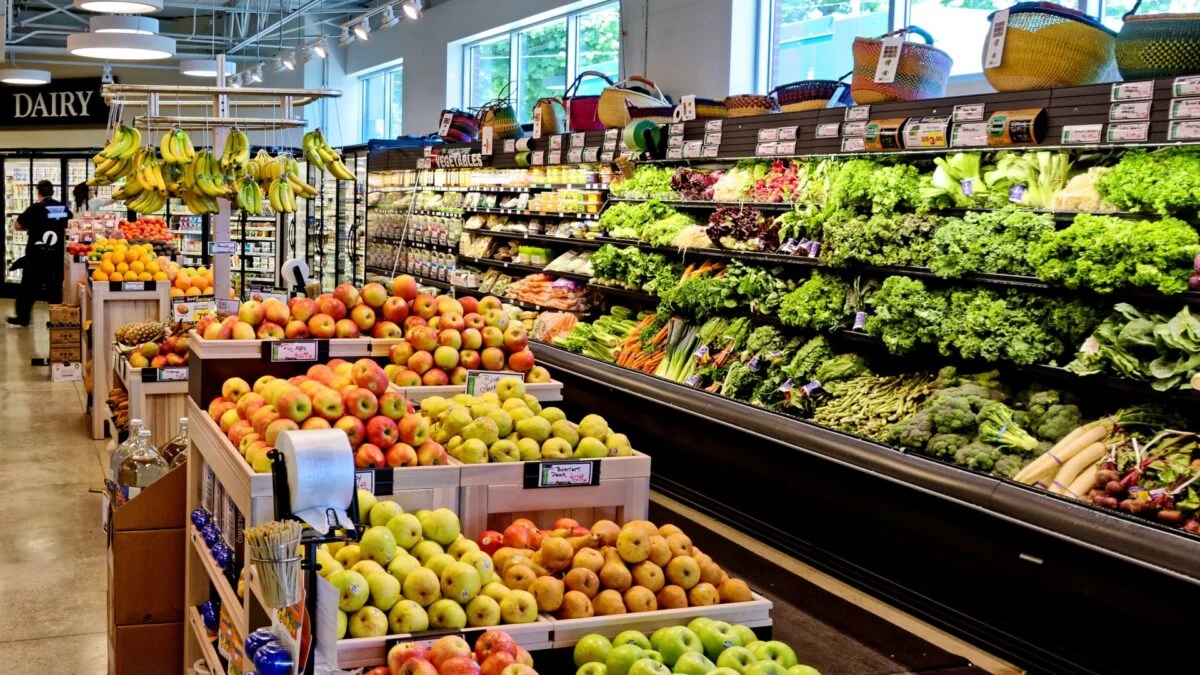
A groundswell of outrage is brewing among wholesome “goody two-shoes,” rules-followers who watched too much educational kids’ programming growing up and/or vocally identified with Lisa Simpson. Judging from anecdotal responses (mine, mostly), this palpable wave of aggrievement stems from new cancer research out of the University of Southern California’s Keck School of Medicine.
The new study, which surveyed 187 young patients diagnosed with lung cancer, has found an infuriating link between the incidence of lung cancer and these patients’ statistically higher consumption of healthy foods, including dark green vegetables and legumes. Medical oncologist Jorge Nieva at USC Keck, a coauthor on the new research, noted that past studies have also documented higher rates of lung cancer in agricultural workers exposed to pesticides—evidence that would support their theory of pesticides’ causal relationship to the disease.
“Our research shows that younger non-smokers who eat a higher quantity of healthy foods than the general population are more likely to develop lung cancer,” Nieva, a specialist in lung cancer, said in a statement.
“These counter-intuitive findings raise important questions about an unknown environmental risk factor for lung cancer related to otherwise beneficial food,” he noted, “that needs to be addressed.”
We got to worry about this now?
Even though rates of cigarette smoking have dropped since the 1980s—and lung cancer has historically most affected much older adults—the incidence of the disease has risen in an unusual cohort: non-smokers, aged 50 and below, and particularly women, whose habits tend to be healthier than young men. Notably, this new crop of cancer cases has involved a subtype of lung cancer that was “biologically different from lung cancer caused by smoking,” according to USC Keck’s press release.
Nieva and his colleagues first launched their Epidemiology of Young Lung Cancer Project to explore this unusual trend in 2021, surveying 187 lung cancer patients on their diet, smoking history, demographic details, and the specifics of their lung cancer diagnosis.
Most patients had reportedly never smoked, possibly not even once or twice at house parties.
But what most of these young cancer patients had done is eat a statistically higher daily amount of fruit, vegetables, and whole grains compared to the average member of the general public.
Here’s what Nieva’s team found when comparing this lung cancer cohort’s data to data on the eating habits recorded by the U.S. Centers for Disease Control and Prevention’s National Health and Nutrition Examination Survey: Young lung cancer patients averaged about 4.3 servings of dark green vegetables and legumes per day, compared to the average American’s 3.6 servings. These patients also averaged 3.9 servings of whole grains daily, compared to the average American’s 2.6 servings.
One of the more blood-boiling things about these fruits and vegetables, according to Nieva, is that the non-organic varieties tend to also have higher pesticide residues than the food less health-conscious people are likely to enjoy, including dairy, meat, and many processed foods.
Really. Can you believe this?
For reasons that should be obvious, Nieva’s team does not want to overly demonize these otherwise self-evidently nutritious foods. And it bears repeating that their survey-based research has only found a troubling overlap in these pesticide exposures and incidences of lung cancer, not concrete proof of a biochemical mechanism confirming these compounds are carcinogenenic. The team does, however, believe that further research and possible shifts in health policy are warranted based on their work, which they presented at this year’s annual meeting of the American Association for Cancer Research.
“This work represents a critical step toward identifying modifiable environmental factors that may contribute to lung cancer in young adults,” Nieva emphasized. “Our hope is that these insights can guide both public health recommendations and future investigation into lung cancer prevention.”
You could be forgiven for assuming that President Trump’s health secretary, longtime opponent of chemical pesticides Robert F. Kennedy, Jr., might have already tried to take care of this problem.
But, adding infuriating insult to injury (or maybe vice versa), President Trump signed an executive order this past February increasing production of glyphosate-based herbicides and pesticides, which pose known cancer risks, as an alleged “national security” matter. How do you like them apples?
