

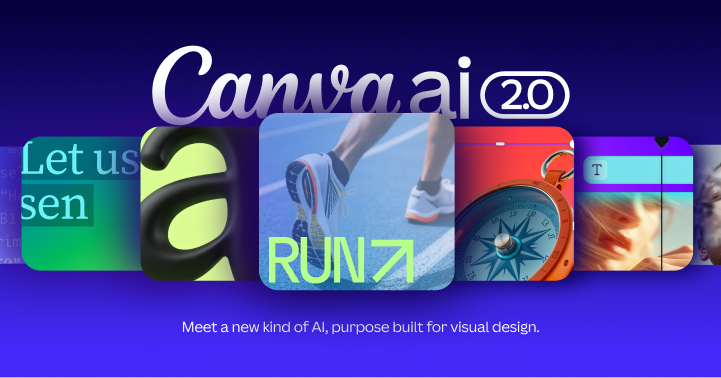
Canva has unveiled significant updates to its AI assistant, enabling users to create editable designs using text prompts, while streamlining workflows for design professionals. The enhancements aim to automate task execution, allowing the assistant to generate multiple design options based on user input and preferences.
The new features are part of Canva’s strategy to integrate its AI assistant into users’ workflows, enhancing productivity for individuals, small teams, and enterprises. Competitors including Adobe and Figma are also expanding their AI offerings, intensifying the industry’s competitive landscape.
Cliff Obrecht, Canva’s co-founder and COO, emphasized that businesses prefer editing and publishing their final products on Canva. “Many small businesses start and end their day in Canva,” he said. He noted that while workflows are merging across platforms, the final editing step remains crucial for users.
Stay Ahead of the Curve!
Don’t miss out on the latest insights, trends, and analysis in the world of data, technology, and startups. Subscribe to our newsletter and get exclusive content delivered straight to your inbox.
Subscribe Now
Canva’s enterprise segment is rapidly expanding, growing 100% year-on-year, while the company’s current valuation stands at $42 billion, according to PitchBook. Obrecht indicated that Canva is expected to go public next year.
The updated AI assistant includes integrations with platforms such as Slack, Gmail, Google Drive, Calendar, and Zoom, allowing the AI to build context from user interactions. Additionally, a web research feature will enable the AI to browse the internet for relevant information to complete tasks.
Canva also introduced a scheduling feature, allowing users to set repeatable tasks that the AI will draft for review. Enhancements to existing AI tools include the ability for the AI code generator to import HTML and generate spreadsheets based on text prompts.
Improvements to processing efficiency are also notable, with Canva claiming its Lucid Origin model is now 5x faster and 30x cheaper, while the 12V image-to-video model operates 7x faster and 17x cheaper. Canva AI 2.0 is launching in research preview this week, with broader availability planned for the coming weeks.
Featured image credit
